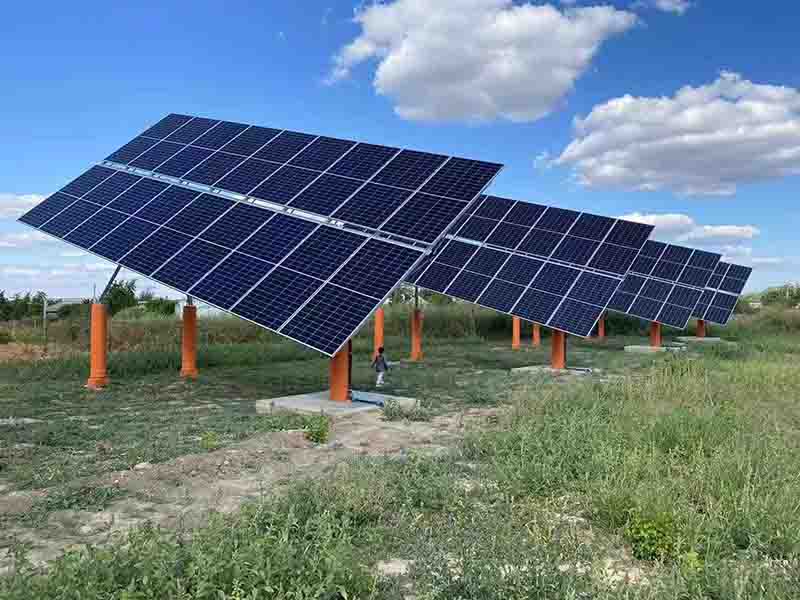
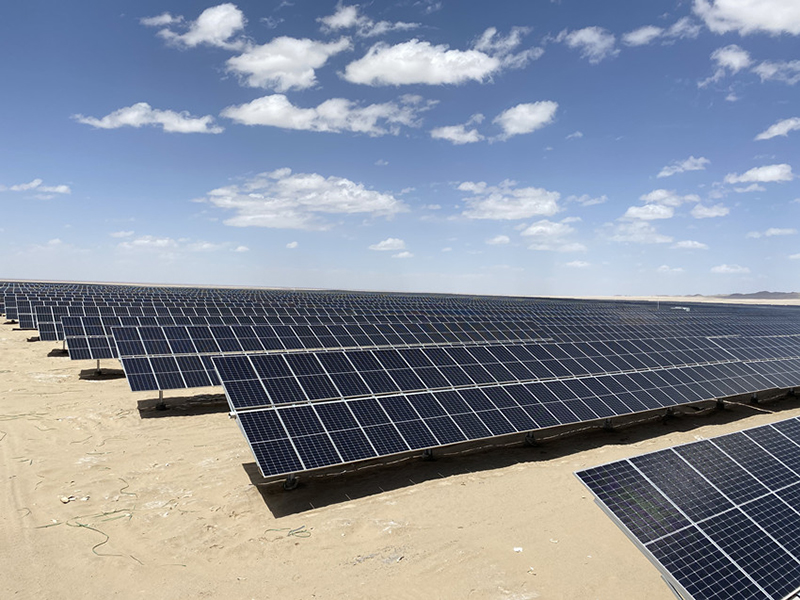
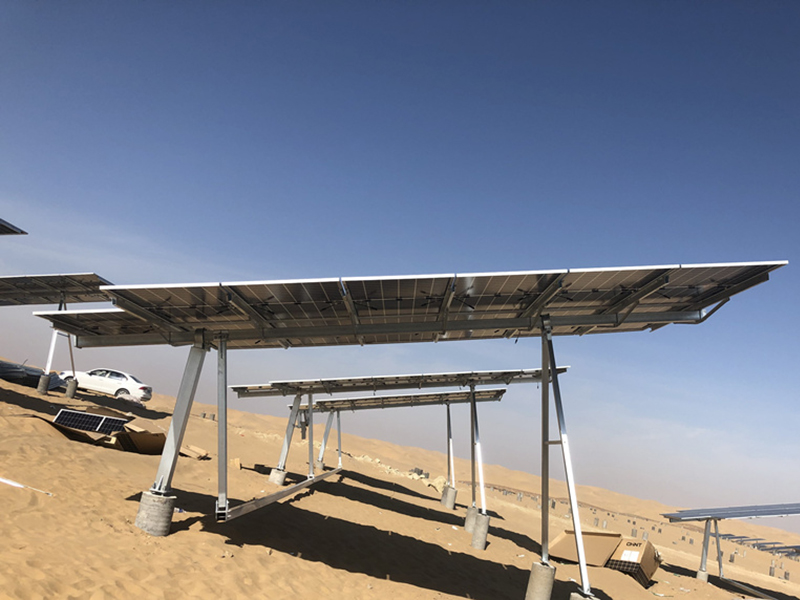
[News Content]New Technology Revolutionizes Solar Energy EfficiencySolar energy has firmly established itself as a leading source of sustainable power. The continuous efforts to improve solar panel efficiency and reduce costs have been a driving force behind its widespread adoption. In this ongoing pursuit, a groundbreaking technology has emerged, revolutionizing the way solar panels harness sunlight. Dual Tracker, an innovative solution developed by a leading renewable energy company, has proven to significantly enhance solar energy production, making it a game-changer in the industry.Traditional solar panel systems use a static mounting method that keeps the panels at a fixed angle throughout the day. This fixed angle is calculated based on the optimal tilt for peak sunlight exposure at a specific latitude. However, this approach does not account for the fact that the sun's position changes continuously throughout the day. Consequently, solar panels miss out on capturing a considerable amount of sunlight during morning and evening hours, resulting in lost potential energy generation.The Dual Tracker solves this problem by utilizing advanced tracking technology that continuously adjusts the angle of the solar panels, ensuring they are always directed towards the optimal sunlight angle. By employing an innovative dual-axis tracking mechanism, the system can optimize solar energy output throughout the day, dramatically increasing efficiency and overall power generation. This cutting-edge technology provides a significant advantage over static solar panels, allowing for up to 45% more energy production.The Dual Tracker is designed to adapt to diverse weather conditions and geographic locations. By continuously monitoring solar irradiation, cloud coverage, and wind speed, the system can dynamically adjust the panel's position to maximize energy generation. Additionally, the technology incorporates a built-in safety feature that can automatically retract the panels during severe weather conditions, protecting them from potential damage.One of the key advantages of the Dual Tracker lies in its compatibility with various solar panel technologies. It can be seamlessly integrated with both monocrystalline and polycrystalline panels, making it a versatile choice for solar energy installations worldwide. The system's adaptability and flexibility ensure that solar power plants can maximize their energy production regardless of the type of panels they employ.The implementation of Dual Tracker technology is already generating impressive results. Solar power plants equipped with this groundbreaking system have consistently outperformed static systems in terms of energy yield. Various independent studies and real-world installations have demonstrated an increase in energy production ranging from 20% to as high as 45%. These findings further validate the long-term viability and impact of Dual Tracker technology in revolutionizing solar energy efficiency.Company Introduction:{Company Name}, the visionary behind the Dual Tracker technology, is a leading renewable energy solutions provider that aims to accelerate the global transition towards clean and sustainable power. With a strong focus on technological innovation, the company has successfully developed and implemented several cutting-edge solutions in the renewable energy space.Backed by a team of experienced engineers and researchers, {Company Name} has consistently pushed the boundaries of solar energy technology, making breakthrough advancements in efficiency, reliability, and performance. The Dual Tracker is the latest addition to their portfolio of innovative solutions and has garnered widespread recognition within the industry.In addition to the Dual Tracker, {Company Name} offers a comprehensive range of renewable energy solutions, including solar inverters, storage systems, and smart grid technology. By providing end-to-end solutions, they aim to empower individuals, communities, and businesses to embrace clean energy alternatives and reduce their carbon footprint.{Company Name}'s commitment to sustainability extends beyond their product offerings. They strive to operate in an environmentally responsible manner throughout their operations, ensuring that their manufacturing processes adhere to the highest sustainability standards. By optimizing energy efficiency in their facilities and reducing waste, they exemplify their dedication to a cleaner, greener future.The remarkable efficiency gains achieved through the Dual Tracker technology reflect {Company Name}'s relentless pursuit of excellence in the renewable energy sector. As solar energy continues to gain momentum as a dominant source of power, the company's groundbreaking solutions are poised to play a pivotal role in driving the industry forward, making clean and sustainable energy accessible to all.In conclusion, the Dual Tracker technology developed by {Company Name} represents a significant breakthrough in solar energy efficiency. By dynamically tracking the sun's position and optimizing energy production throughout the day, the Dual Tracker ensures that solar panels generate more power than ever before. This groundbreaking technology has the potential to revolutionize the solar industry, further accelerating the global transition towards a cleaner and sustainable future.
Read More