
Two Axis Solar Tracking System for Enhanced Solar Efficiency
By:Admin
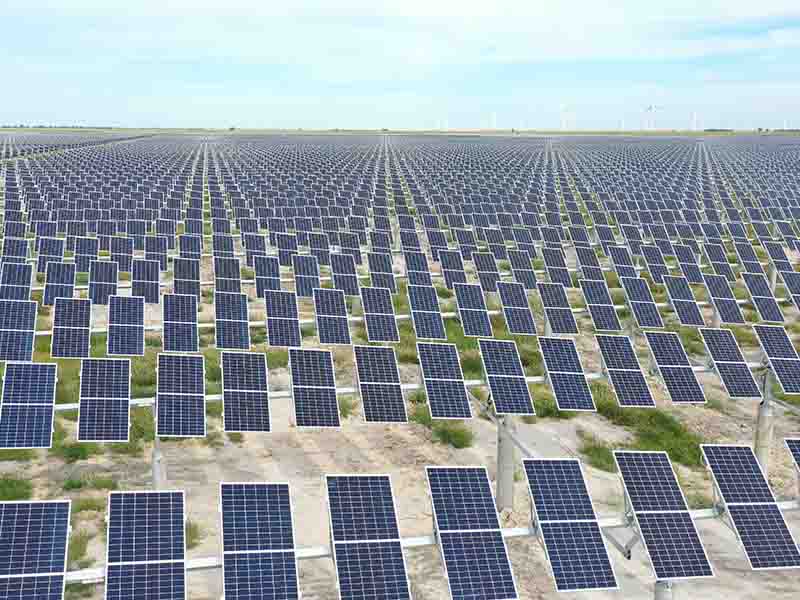
In the continuous quest to improve renewable energy technology, a new two-axis solar tracking system has emerged as a game-changer, significantly enhancing the efficiency of solar power generation. This innovative system, developed through advanced engineering and precise control mechanisms, promises to optimize solar panel positioning to harness maximum sunlight throughout the day.
### Advancing Solar Technology with Two-Axis Tracking
Traditional fixed solar panels face limitations due to their static positioning, which only captures optimal sunlight for a portion of the day. To address this challenge, the two-axis solar tracking system allows solar panels to move dynamically along both the horizontal and vertical axes. This dual movement capability ensures that solar panels consistently face the sun directly, maximizing energy absorption and output.
The new system employs precise sensors and sophisticated algorithms designed to track the sun’s path from dawn to dusk, adjusting panel angles in real time. By maintaining optimal alignment with sunlight, the system reduces energy loss associated with fixed installations and single-axis trackers, which only adjust along one direction.
### Key Features and Benefits
- **Enhanced Energy Output:** The dual-axis movement significantly increases the solar panel’s exposure to sunlight, boosting power generation by up to 40% compared to fixed systems.
- **Robust Design:** Built to withstand diverse weather conditions, the system uses durable materials and corrosion-resistant components to ensure long-term reliability.
- **Smart Control Interface:** Equipped with an intelligent control unit, the system can be monitored and adjusted remotely, allowing for real-time performance optimizations and maintenance alerts.
- **Cost-Effectiveness:** Despite its advanced mechanics, the system is designed for cost-efficient manufacturing and installation, making it accessible for both large utility-scale projects and smaller commercial applications.
### Company Background and Innovation Commitment
The innovative two-axis solar tracking system is developed by a leading renewable energy solutions provider known for its commitment to advancing sustainable technologies. With over a decade of experience in solar energy innovation, the company focuses on delivering high-performance products that meet the evolving demands of the market.
Their portfolio includes a wide range of solar power components, from photovoltaic modules to energy management systems, all designed with efficiency and environmental stewardship in mind. By integrating cutting-edge research with practical engineering, the company strives to accelerate the transition to green energy worldwide.
The development of this advanced tracking system aligns perfectly with the company’s mission of maximizing renewable energy potential while reducing the carbon footprint. Their R&D teams continuously explore new materials, control strategies, and construction techniques to enhance durability, efficiency, and ease of installation.
### Market Impact and Future Prospects
The introduction of this two-axis solar tracking system comes at a crucial time when the demand for clean energy solutions is growing exponentially. Governments and private sectors worldwide are investing heavily in solar infrastructure, creating an urgent need for technologies that deliver higher yields and faster returns on investment.
By improving energy capture and reducing operational downtime, this innovative tracking system offers a compelling value proposition. Early adopters in pilot projects have reported substantial improvements in net energy production and overall system resilience.
Looking ahead, the company plans to expand the application of this technology beyond traditional solar farms. Potential markets include residential rooftops, remote telecommunications equipment, and off-grid power stations, where maximizing solar efficiency is critical.
Further development efforts aim to integrate artificial intelligence and machine learning algorithms into the tracking system’s control unit, enabling predictive adjustments based on weather forecasts and historical performance data. Such enhancements will elevate system responsiveness and longevity.
### Supporting the Global Energy Transition
As the global community intensifies its efforts to combat climate change, innovations like the two-axis solar tracking system provide essential tools for accelerating the adoption of renewable energy. By significantly boosting the efficiency of solar power plants, this technology contributes to lowering reliance on fossil fuels and reducing greenhouse gas emissions.
Stakeholders across the renewable energy sector—including utility providers, governments, and environmental organizations—recognize the importance of such breakthroughs. The successful deployment of advanced solar tracking systems represents a step forward in achieving sustainable development goals and meeting international climate commitments.
In addition to environmental benefits, the increased energy output can lead to improved economic viability of solar projects, encouraging further investment and infrastructure growth. This virtuous cycle helps create jobs, support local economies, and foster a cleaner, more resilient energy landscape.
### Conclusion
The new two-axis solar tracking system marks a significant advancement in solar energy technology, combining precise sun-tracking capabilities with robust design and smart control features. Developed by a forward-thinking renewable energy company dedicated to innovation and sustainability, the system enhances solar power generation efficiency and reliability.
As the demand for clean energy rises globally, this pioneering tracking system offers a practical and scalable solution to maximize the benefits of solar technology. By enabling solar panels to follow the sun’s trajectory more accurately, it opens new avenues for expanding renewable energy adoption, supporting both environmental goals and economic growth.
With ongoing research and development, the future promises even smarter and more efficient solar tracking solutions that will play a critical role in shaping a sustainable energy future for generations to come.